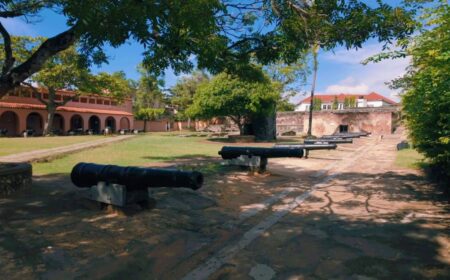




Standing at the edge of the Indian Ocean, Fort Jesus is a primary historical monument detailing coastal conflict, culture, and craftsmanship. Located in Mombasa, it draws travelers and historians, yet a large percentage of locals have never visited. This overview analyzes its construction, design rationale, and strategic significance.
Visitor Overview
- Location: Mombasa Island, overlooking the Old Port.
- Operating Hours: Daily operations, morning to early evening.
- Entry Fees: Vary by residency status.
- Guide: Highly recommended for structural and historical context.
Origins and Strategy The Portuguese built Fort Jesus to protect their dominance over Indian Ocean trade routes, specifically controlling spices, gold, and ivory. Mombasa was a strategic chokepoint influencing trade between Africa, Arabia, and Asia.
Designed by an Italian architect for the Portuguese crown, the fort utilizes Renaissance military architecture. It prioritizes symmetry, reinforced defensive walls, and strategic cannon angles. Viewed from above, the layout mirrors a human body, representing the figure of Christ, which dictates its name.
Construction: Materials, Labor, and Technique
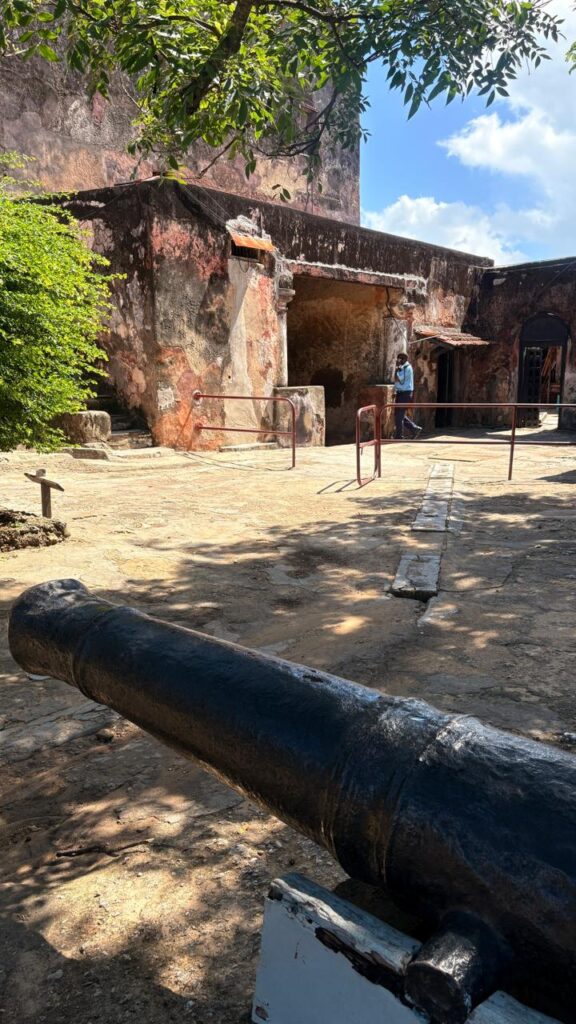
- Coral Stone: Builders sourced local coral rag rather than importing materials. It was coastal-cut, workable, and highly resistant to weather, ensuring practical durability.
- Lime Mortar: Stones were bonded using mortar created by burning coral and mixing it with sand and water.
- Labor Force: Execution relied heavily on local Swahili craftsmen, African laborers, and enslaved workers. This integration established a distinct Afro-European architectural profile.
Strategic Engineering and Combat Operations Engineered exclusively for war, critical defenses include:
- Walls up to three meters thick to absorb heavy fire.
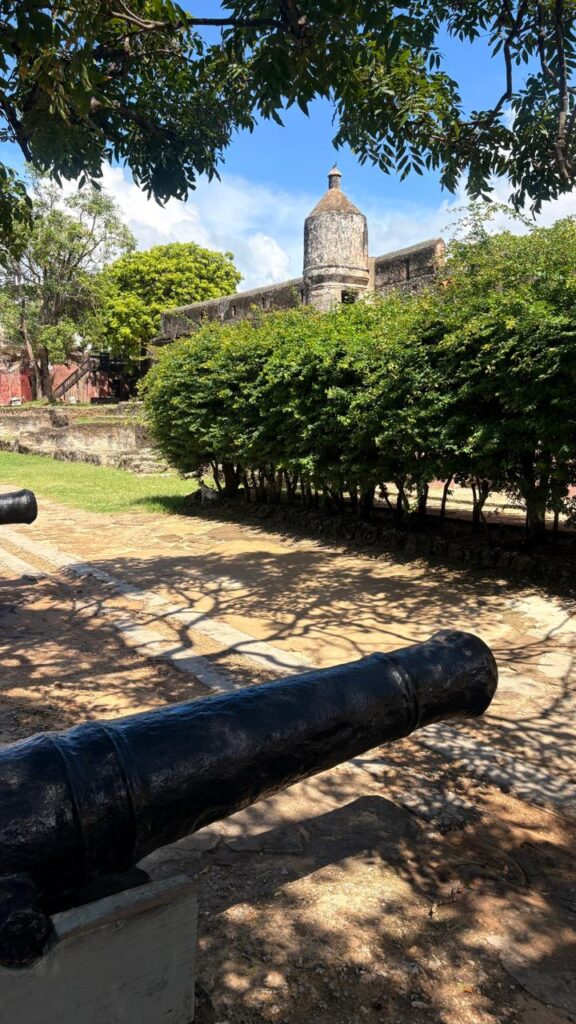
- Bastions positioned for comprehensive defensive coverage.
- Angled gun ports eliminating blind spots.
- A dry moat.
The structure endured severe operational testing. It sustained repeated attacks, transferred control numerous times, and withstood a prolonged siege characterized by severe starvation, proving its structural resilience.
The Visitor Experience Physical navigation of the fort conveys its operational history. Hiring a guide is necessary to contextualize hidden architectural details and battle strategies; without one, the analytical depth of the site is lost.
Global Significance vs. Criticisms Scholars categorize Fort Jesus as a premier example of Portuguese military architecture, noting its unique adaptations to tropical climates and local coastal conditions.
However, operational criticisms exist. Observers frequently view it as unmaintained ruins with inadequate signage. These are valid structural weaknesses in its current management, highlighting a critical need for enhanced preservation and targeted local tourism initiatives.
Present Utility and Future Viability Currently functioning as a museum, the site exhibits trade and conflict artifacts. Its future utility relies on adopting digital tours and integrating more aggressively into the national tourism strategy.
Fort Jesus documents power struggles, economic exchange, and strategic ingenuity. It remains an essential site for objective historical analysis, despite the stark reality that many nearby residents consistently overlook it.