
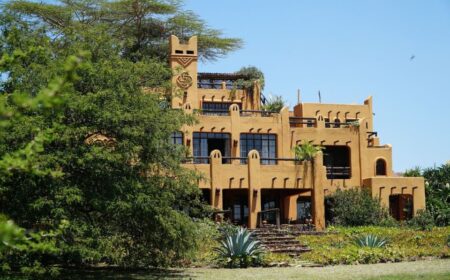


Just off the relentless hum of Mombasa Road, where the city grit begins to give way to the vast expanse of the Nairobi National Park, stands a structure that feels less like a building and more like a living memory. The African Heritage House rises from the red earth, a hand-sculpted tribute to the diverse architectural languages of the continent. Walking toward its sun-baked walls, the chaos of modern transit fades, replaced by the silent, rhythmic presence of West African-inspired mud masonry and local stone.
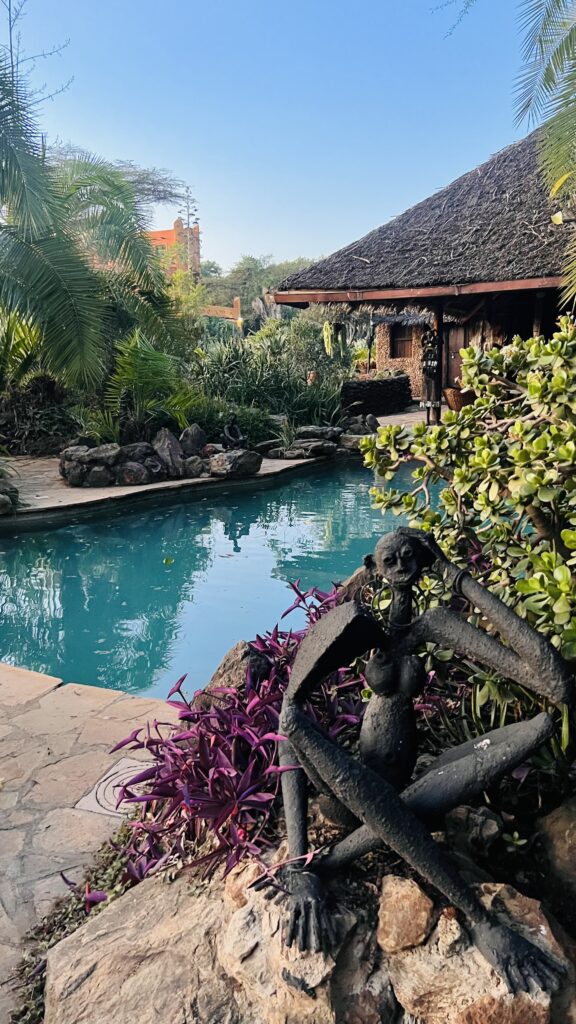
Inside, the air carries the weight of a life’s work. Thousands of artifacts—from intricately woven textiles to ceremonial masks—occupy the space, turning a private residence into a sanctuary for a pan-African narrative. This is not a static museum of glass cases, but a home where history is tucked into every corner and curated by the legacy of a vision that spanned decades. The house was born from silent collaboration; built by artisans who spoke through shared craftsmanship rather than a common tongue, it stands as a monument to what can be created when art becomes the universal language.
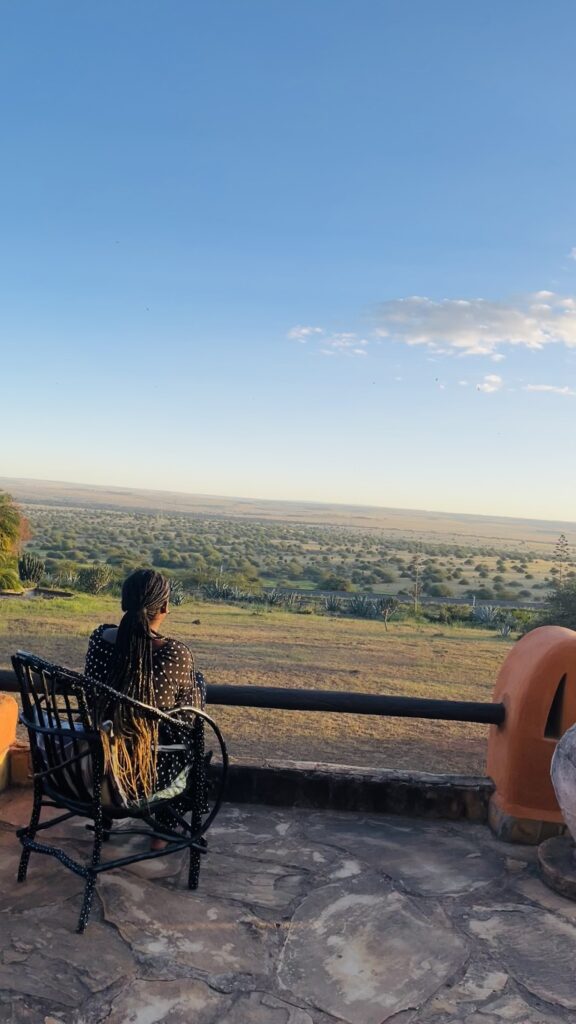
To stand on the balcony overlooking the park is to experience a rare intersection of worlds. Below, the ancient migration paths of the savannah continue unchanged, while behind you, the house preserves the creative output of civilizations from every corner of the continent. It is a place where the red dust of the road meets the refined elegance of African heritage, offering a moment of profound stillness in the heart of a moving landscape.